Oak veneer
The many tones of oak.
From light tones to smoked oak, from straight lines to expressive crown grain. Explore oak surfaces for your project’s material palette.
Explore the collection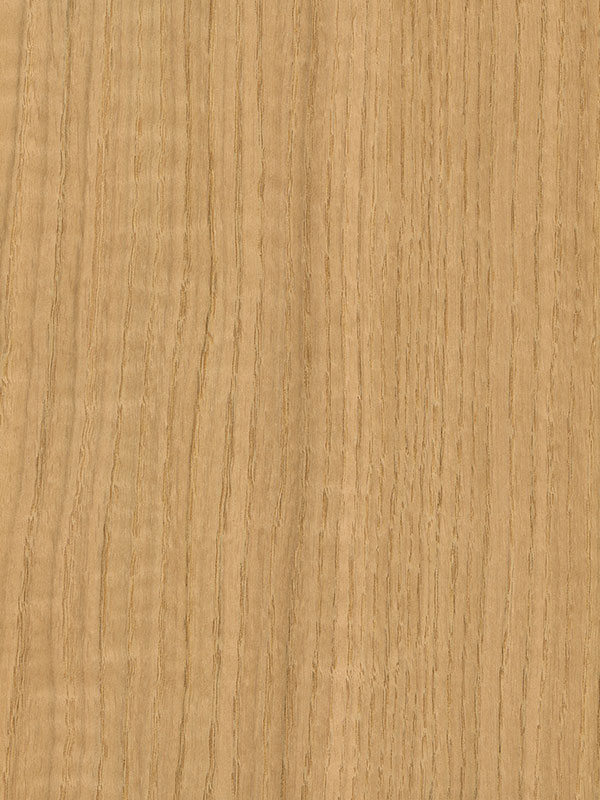
A linear rhythm
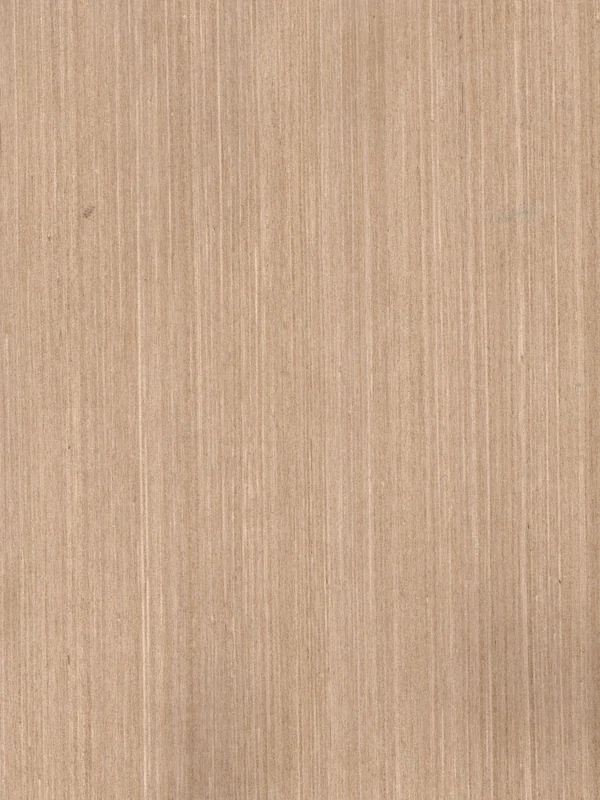
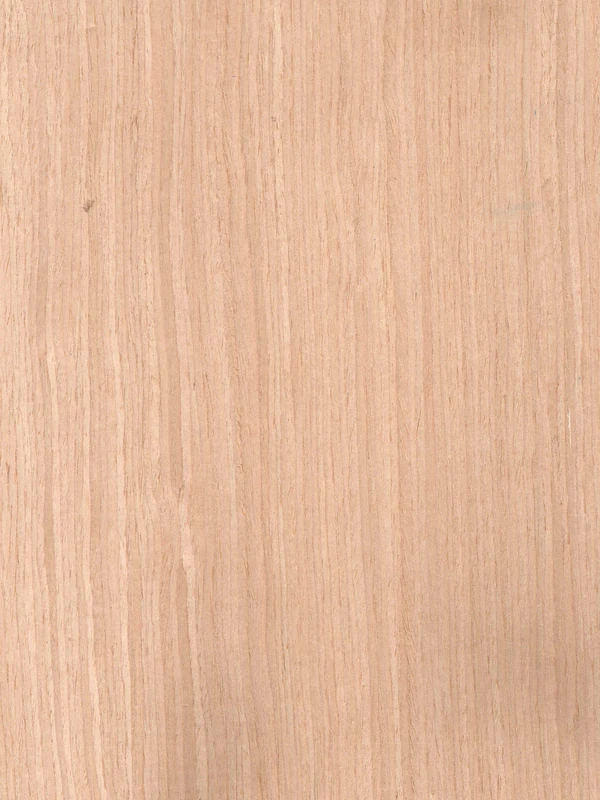
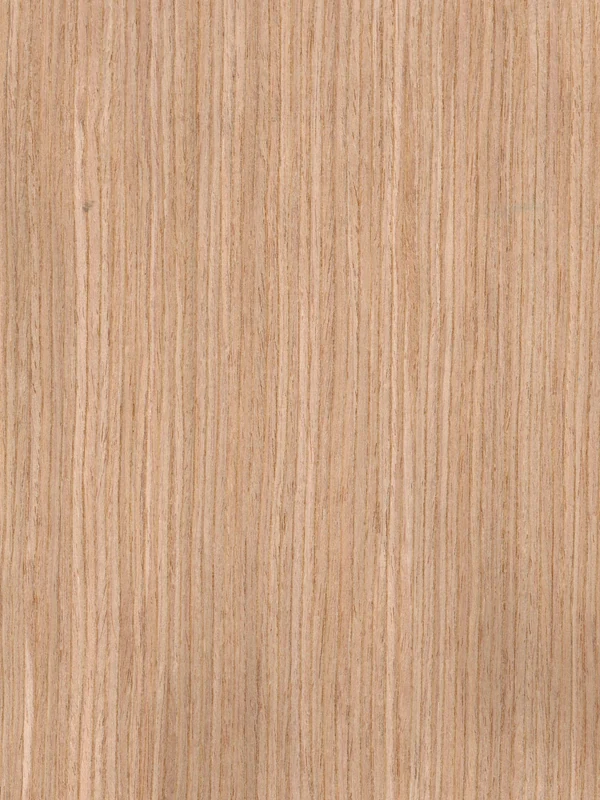
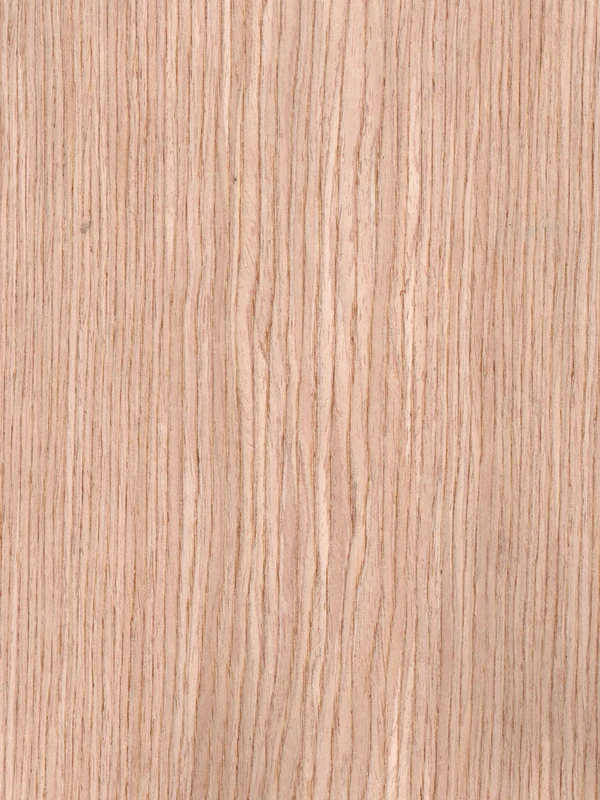
Straight-grain options emphasise direction. Consider the grain across doors, cabinet fronts and adjoining panels as a whole.
Expressive grain
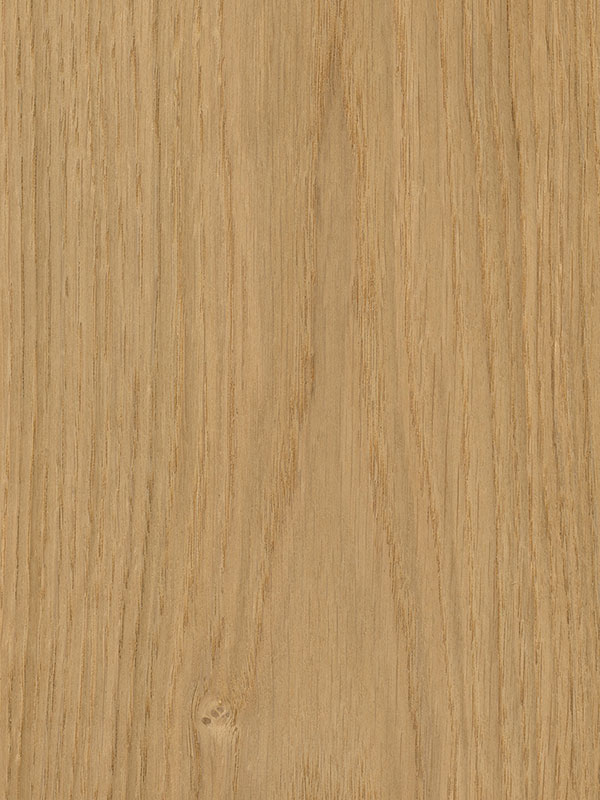
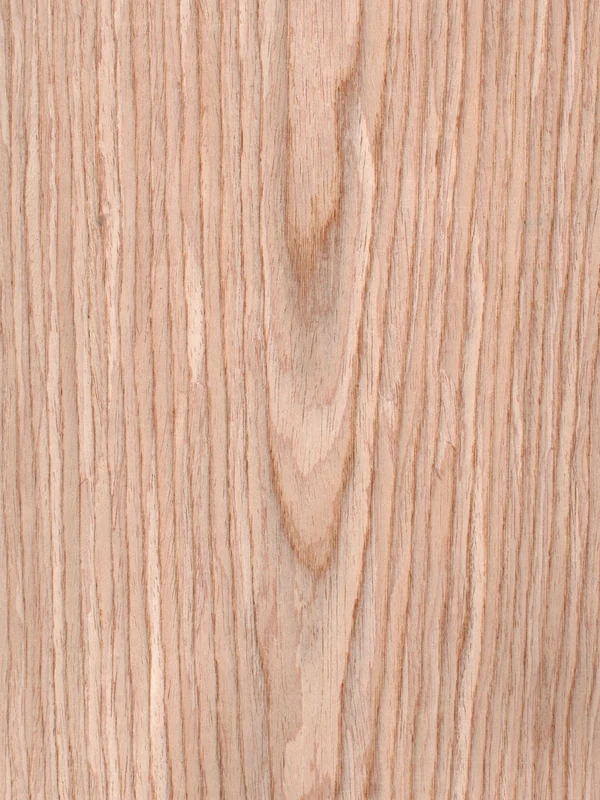
Crown-grain options bring a more varied pattern to a surface. For larger areas, use samples to plan how neighbouring leaves will meet.
From light to dark
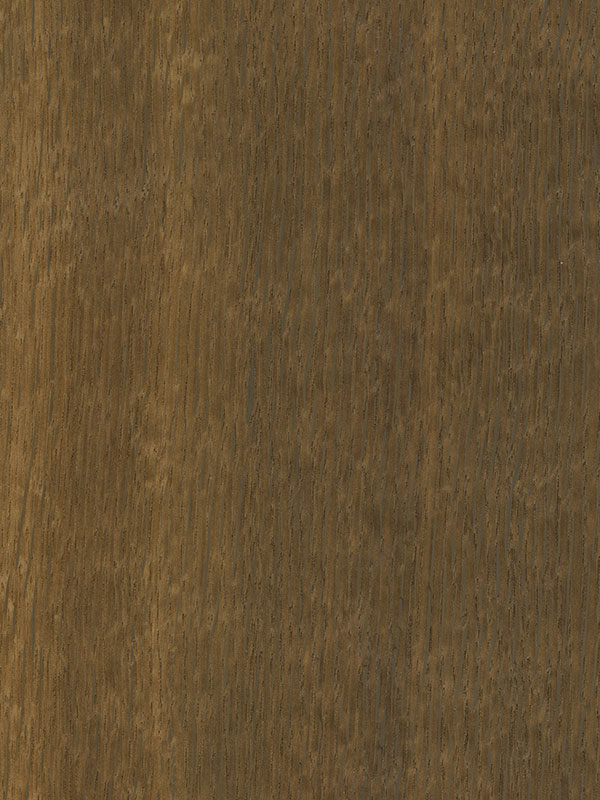
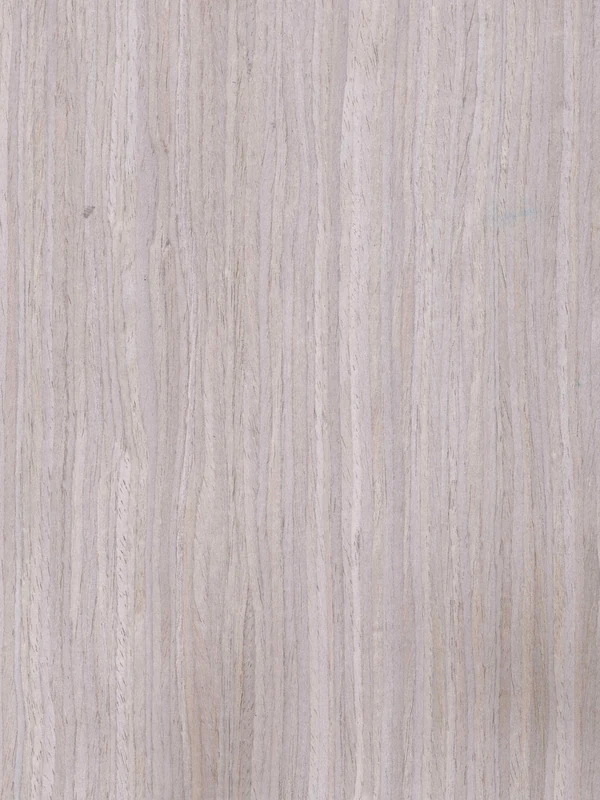
Compare white and smoked oak in the same light. View them alongside flooring, stone and fabric samples to refine your choice of tone.
07 surfaces
Natural veneers
Seven options with the natural variation of oak grain. Each sample is a starting point for your selection.
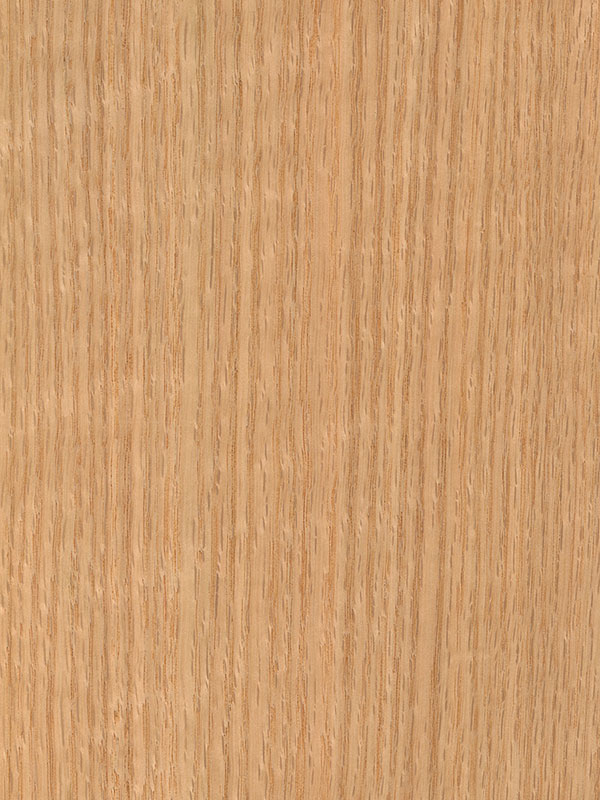
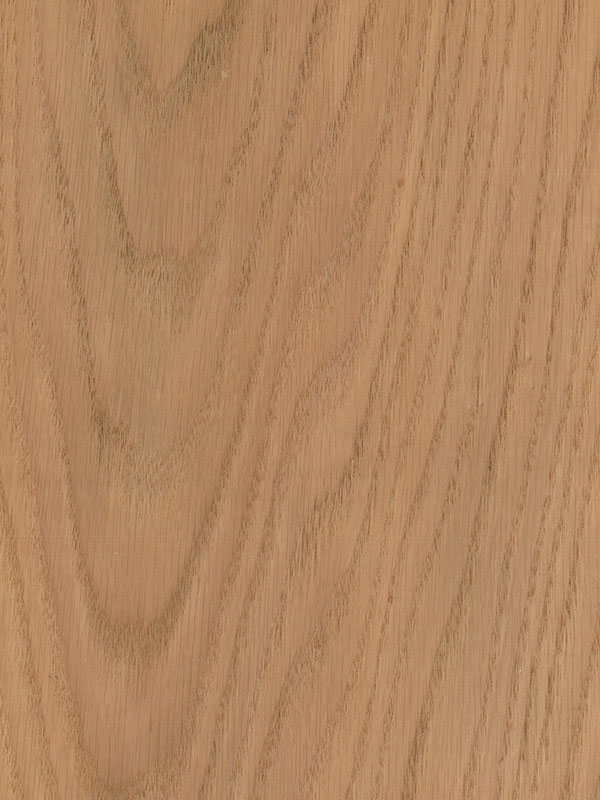
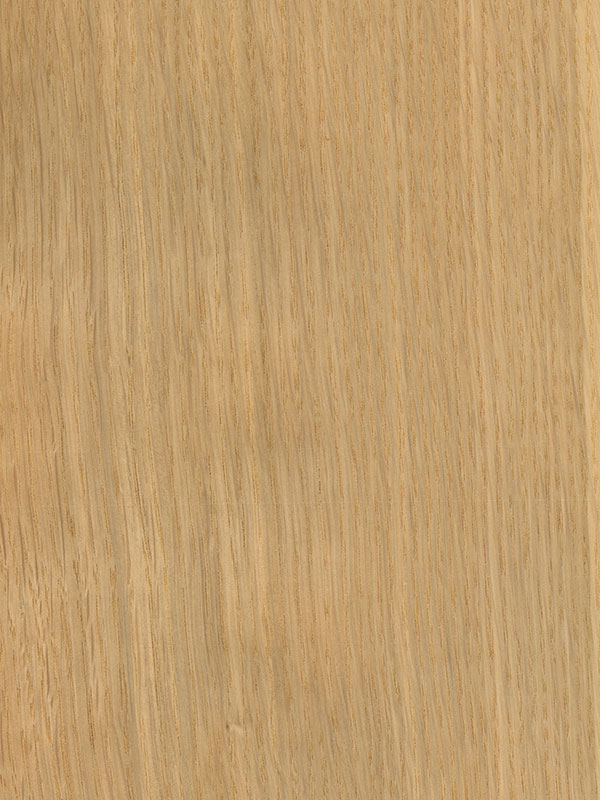
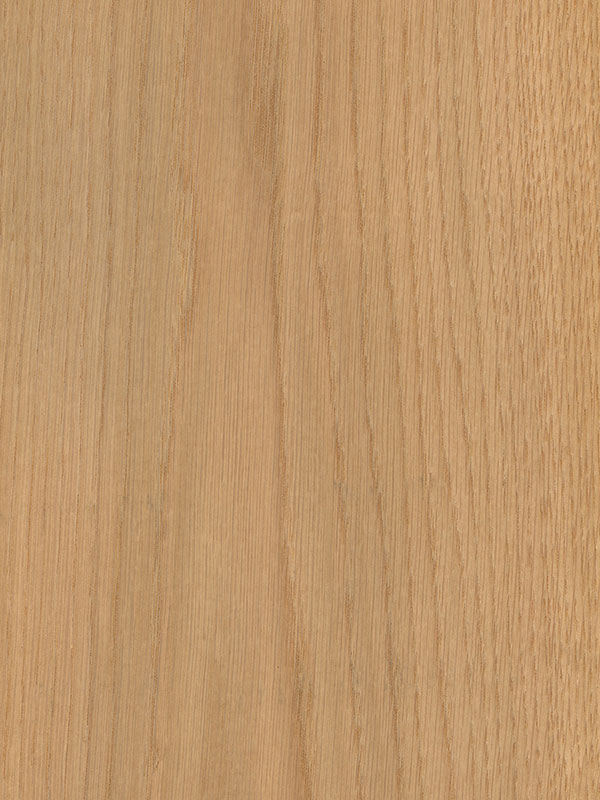
06 surfaces
Engineered surfaces
Six engineered surfaces exploring oak patterns and tones. These form a separate collection from the natural oak veneers.
Selection guide
Take a closer look.
Confirm your choice of colour and grain with a physical sample.
How do I choose between straight and crown grain?
Compare straight grain for a more linear layout and crown grain for a more expressive pattern. Make the final choice alongside the surface dimensions, grain direction and appearance of adjoining panels.
What is the difference between oak veneer and veneered MDF?
Veneer is the thin wood leaf that forms the visible surface. Veneered MDF is the panel made by pressing that veneer onto MDF. Yılpan offers project-specific natural wood veneered MDF production in thicknesses from 3 to 30 mm.
Will the delivered surface match the sample exactly?
Natural veneer leaves can vary in colour and grain. Screens, lighting and the selected finish also affect their appearance. Confirm your selection with physical samples and agree the matching before production.