Walnut veneer
Walnut, in its own lines.
The quiet rhythm of straight grain, the movement of crown grain and the distinctive pattern of walnut burl. Discover different expressions of the same material.
Explore the collection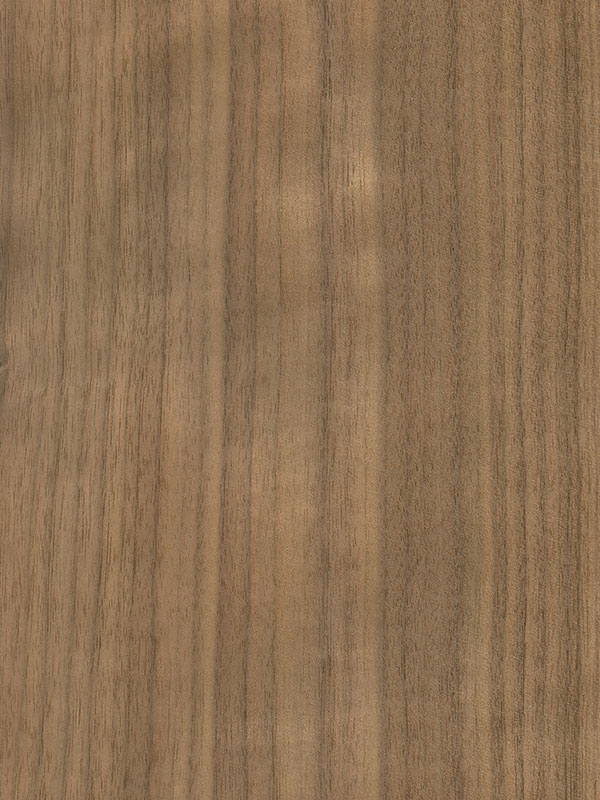
Quiet, linear grain
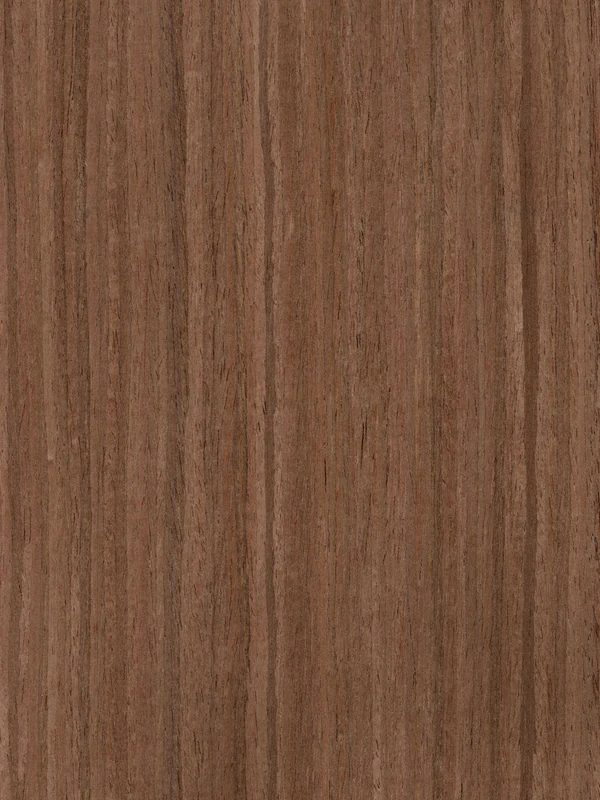
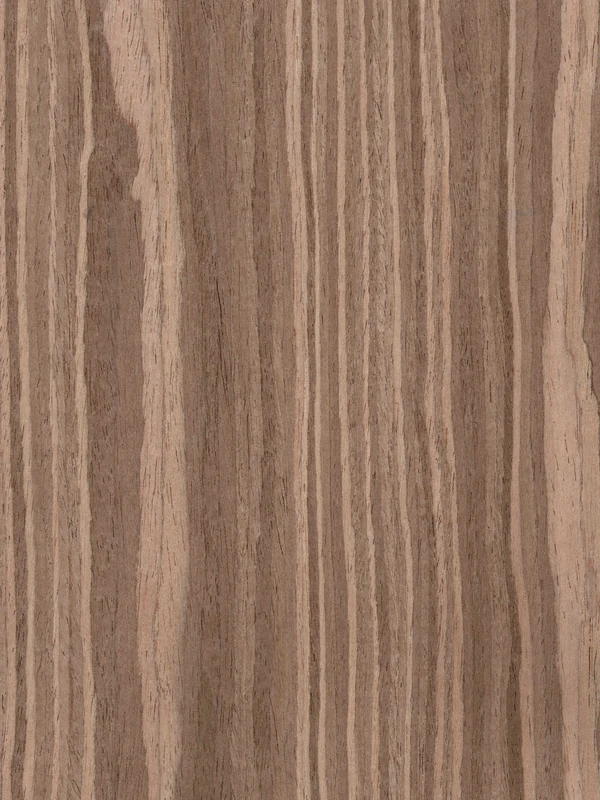
American Walnut Straight Grain combines dark tones with a linear pattern. Consider it for furniture surfaces where grain direction continues across adjoining pieces.
A focus on pattern
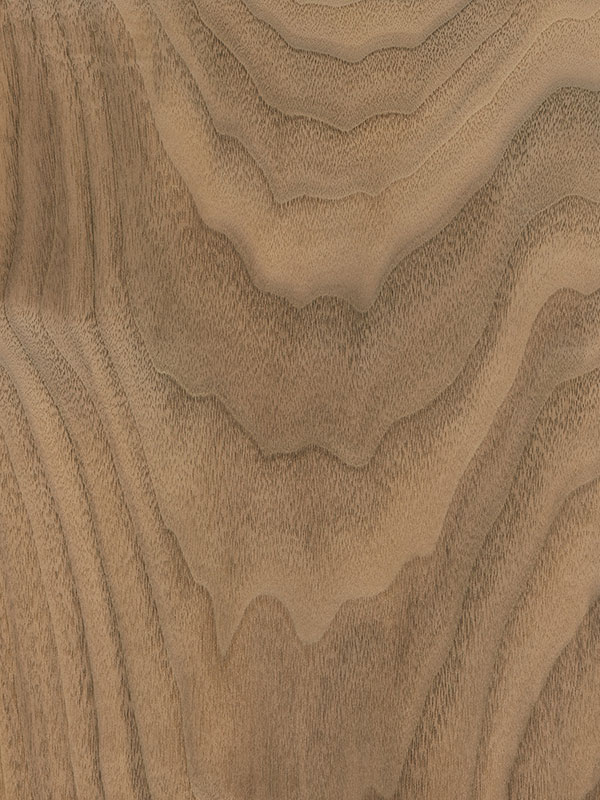
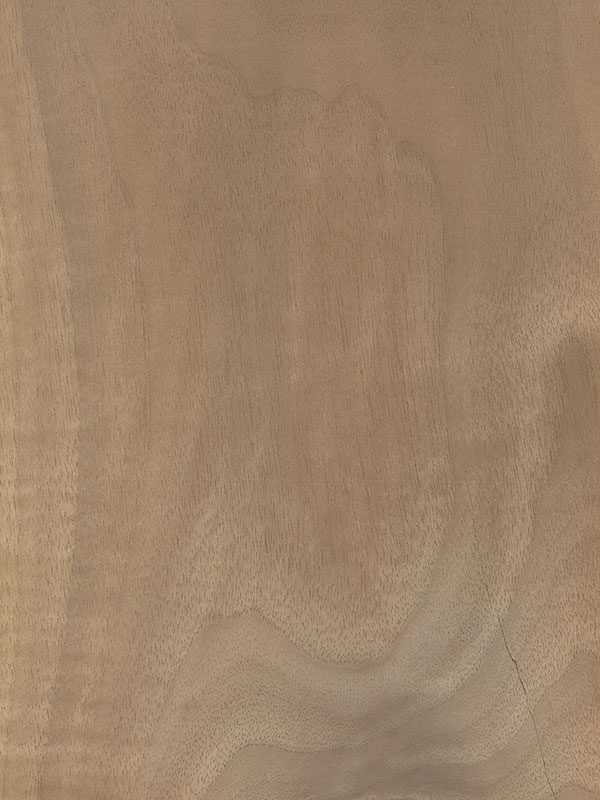
American Walnut Crown Grain has more expressive grain movement. Plan the pattern across larger cabinet fronts and panel layouts.
A distinctive accent
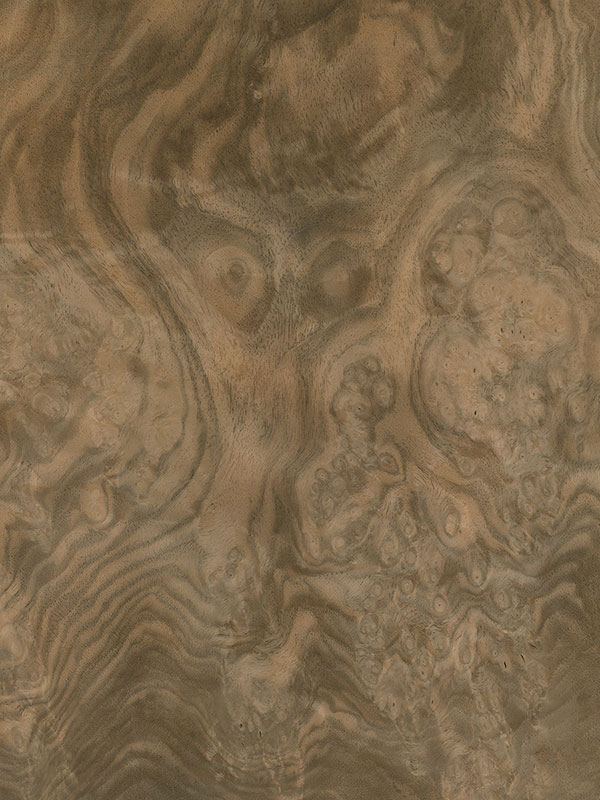
View walnut burl and coloured walnut alongside the other materials in your scheme. Use samples to decide whether the grain belongs in a small detail or on a principal surface.
05 surfaces
Natural veneers
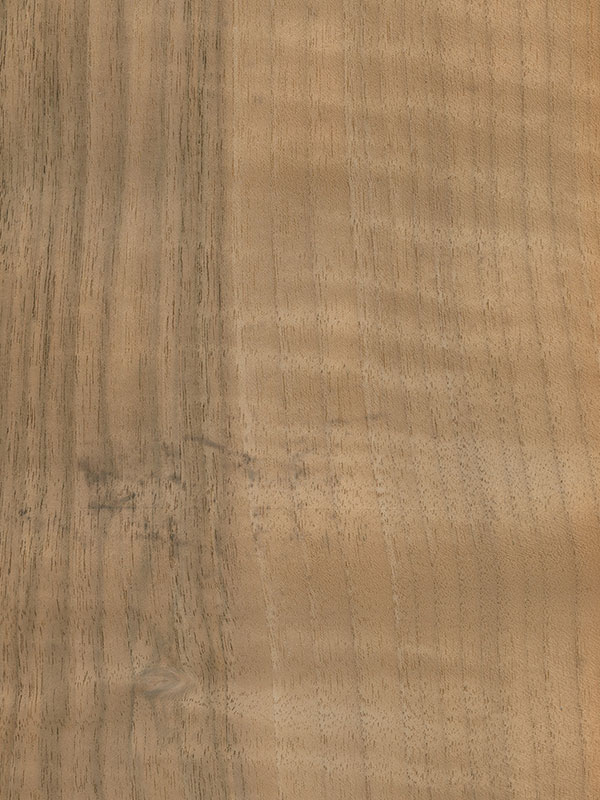
Five natural walnut options, from linear grain to burl patterns. Explore their tones and grain using photographs of the actual samples.
03 surfaces
Engineered surfaces
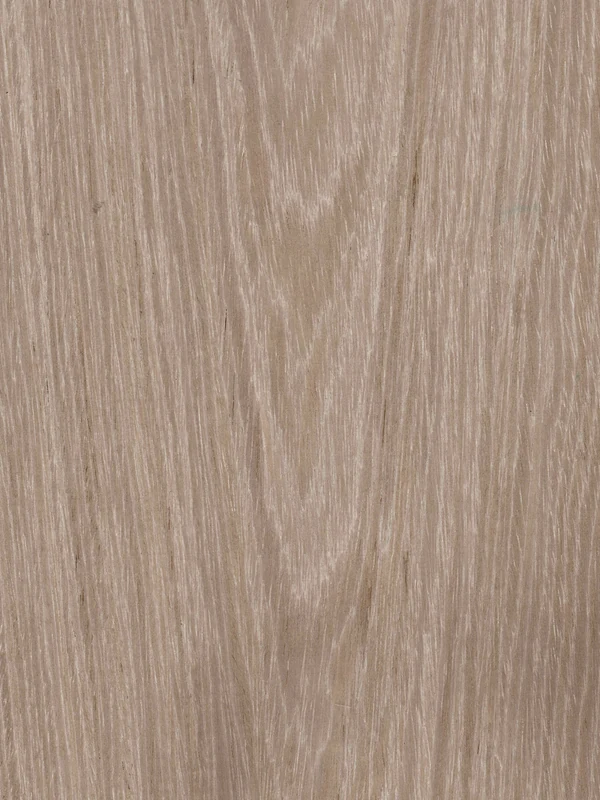
Three engineered surfaces offering different interpretations of walnut. Keep the collection distinction in mind when comparing them with natural walnut veneer.
Selection guide
Take a closer look.
Confirm your choice of colour and grain with a physical sample.
How do American Walnut Straight Grain and Crown Grain differ?
Both are in the dark-toned group in the catalogue. Straight grain has a more linear pattern; crown grain brings greater movement. Consider the relationship between adjoining surfaces as well as colour.
Can walnut veneer be used on MDF?
Yılpan presses natural wood veneer leaves onto MDF selected for the project. The general production range is 3–30 mm. Panel thickness, dimensions and grain direction can be agreed when requesting a quote.
What should I consider when choosing walnut burl?
The placement of a burl pattern strongly affects the overall appearance. Review the selected leaves and adjoining pieces together before production. A single sample does not mean every leaf will look identical.